
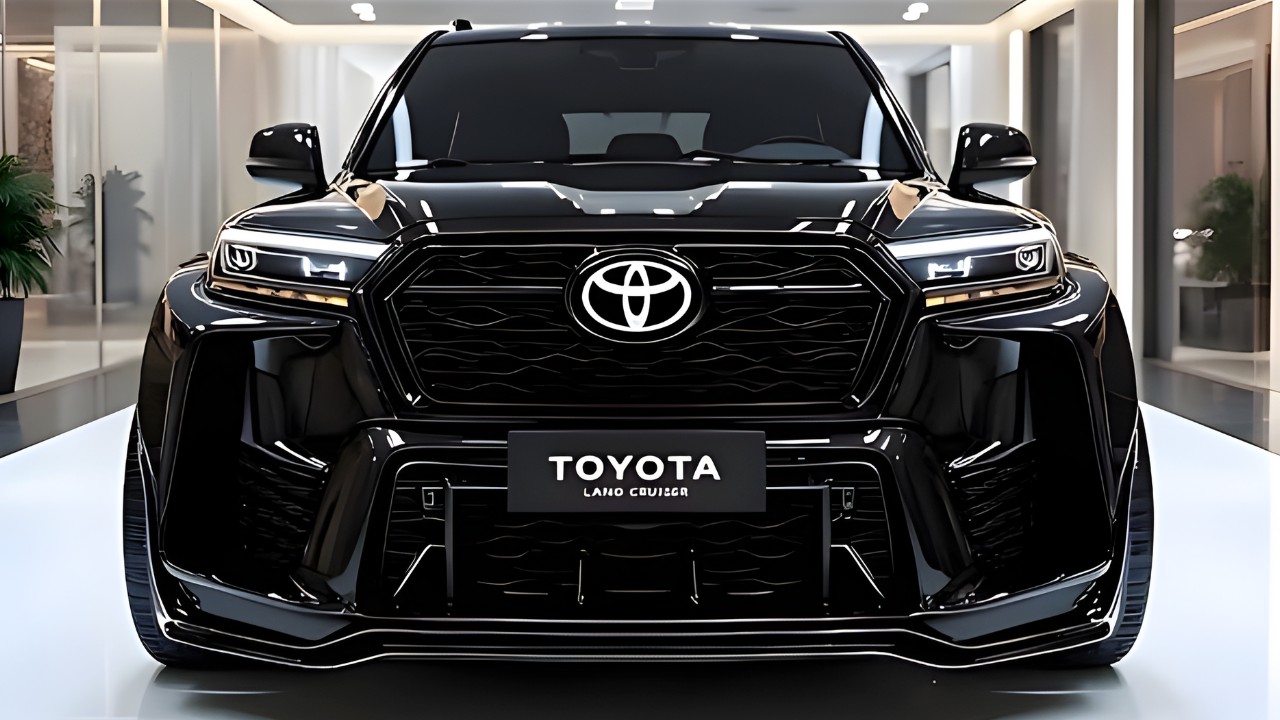
2026 Toyota Prado: The 2026 Toyota Prado marks a major turning point for one of the most respected names in the global SUV market. With its rugged new design, modern interior, and advanced technology, the biggest question buyers are asking is not about looks or features, but about engine choice. Toyota is now offering the Prado with two very different powertrains: a diesel option and a hybrid option. Each serves a distinct type of driver, lifestyle, and usage pattern.
Choosing between diesel and hybrid is no longer just about fuel preference. It affects long-term ownership costs, driving feel, maintenance, and even how you use your Prado day to day. This detailed guide explains both engine options clearly and helps you decide which one suits you best.
Overview of Engine Options in the 2026 Prado
The 2026 Prado is built on Toyota’s latest TNGA-F platform, shared with the Land Cruiser 300 and Lexus GX. This platform allows Toyota to introduce more efficient and cleaner engines without sacrificing off-road strength.
The diesel variant is expected to use a 2.8-liter turbocharged diesel engine, now paired with mild-hybrid assistance in some markets. This engine is known for its strong torque output and proven durability.
The hybrid option is based on a 2.4-liter turbocharged petrol engine combined with an electric motor. This setup focuses on improved fuel efficiency, smoother performance, and reduced emissions, especially in urban driving conditions.

Both engines are paired with advanced automatic transmissions and full-time four-wheel drive, keeping the Prado true to its off-road heritage.
Diesel Engine: Built for Long Distances and Tough Conditions
The diesel Prado has always been the first choice for serious off-roaders, tourers, and buyers in regions with challenging terrain. The 2026 model continues that tradition.
One of the biggest advantages of the diesel engine is torque. High torque at low RPM makes a huge difference when climbing steep hills, driving through sand, or towing heavy trailers. If you regularly carry loads, tow boats or caravans, or travel with a fully packed vehicle, the diesel engine feels effortless.
Diesel engines are also known for their fuel efficiency on highways. On long-distance trips, especially at steady speeds, diesel consumption remains low compared to petrol-based systems. This makes it ideal for people who frequently drive between cities or across remote areas where fuel stations are limited.

Another major factor is durability. Toyota’s diesel engines have a strong reputation for longevity. In markets like Australia, Africa, and the Middle East, diesel Prados often run reliably for hundreds of thousands of kilometers with proper maintenance.
However, diesel is not perfect for everyone. In city driving, diesel engines can feel noisy and less refined. Short trips and heavy traffic are also not ideal for modern diesel systems, as they can lead to higher maintenance issues over time.
Hybrid Engine: Designed for Urban Comfort and Efficiency
The hybrid Prado represents Toyota’s push toward electrification without abandoning off-road capability. This option is aimed at buyers who spend most of their time in cities but still want a capable SUV for weekend adventures.
The biggest benefit of the hybrid system is fuel efficiency in stop-and-go traffic. The electric motor assists during acceleration and low-speed driving, reducing fuel consumption significantly compared to traditional petrol engines.

Hybrid systems also deliver smoother and quieter performance. In traffic, the Prado hybrid feels refined and easy to drive, making daily commuting far more comfortable than a diesel alternative.
Another advantage is instant torque from the electric motor. While it may not match diesel torque for heavy towing, the hybrid still feels responsive and quick during normal driving conditions.
Environmental impact is also a key reason buyers choose hybrid. Lower emissions, reduced fuel usage, and compliance with stricter future regulations make the hybrid Prado a more future-proof option, especially in urban and developed markets.
On the downside, hybrid systems are more complex. Long-term repairs can be expensive once the vehicle is out of warranty, and in very remote areas, specialized hybrid service support may be limited.

Off-Road Performance Comparison
Both diesel and hybrid Prados are genuine off-road vehicles, but their strengths differ.
The diesel engine shines in extreme off-road conditions. Deep mud, loose sand, rocky climbs, and water crossings are situations where consistent torque delivery is critical. Diesel engines handle these conditions with ease, especially during low-speed crawling.
The hybrid Prado is still highly capable off-road thanks to advanced traction control systems and electric torque assistance. For light to moderate off-roading, camping trips, and trail driving, it performs confidently. However, for hardcore off-road enthusiasts who push their vehicles to the limit, diesel remains the safer choice.
Maintenance, Reliability, and Ownership Costs
Diesel engines generally require regular servicing but are mechanically simpler than hybrids. Parts availability is widespread, and experienced mechanics are easy to find in most regions.

Hybrid systems have fewer moving parts in some areas but rely heavily on electronics and battery systems. Toyota’s hybrid reliability record is strong, but long-term battery replacement costs are still a concern for some buyers.
Fuel costs also vary by region. In markets where diesel is cheaper, diesel ownership makes more financial sense. In regions with high fuel prices or incentives for hybrid vehicles, the hybrid Prado becomes more attractive.
Who Should Pick Diesel and Who Should Go Hybrid
You should choose the diesel Prado if you frequently travel long distances, tow heavy loads, drive in remote areas, or prioritize durability and torque over refinement. It is the better choice for adventurers, off-road enthusiasts, and rural users.
You should choose the hybrid Prado if your driving is mostly urban, you value smooth and quiet performance, and you want lower fuel consumption and emissions. It suits families, professionals, and buyers looking for a modern, future-ready SUV.
Final Verdict
The 2026 Toyota Prado offers two excellent engine choices, each tailored to a different type of driver. Diesel remains the king of toughness and long-distance reliability, while the hybrid represents comfort, efficiency, and modern technology.
There is no wrong choice. The right engine depends entirely on how and where you plan to use your Prado. By understanding your driving habits and priorities, you can confidently select the Prado that fits your lifestyle perfectly.